Simply the best way to get you started, these workshops are ideal if:


SeeStar s50 and S30 Workshops
Starhunter Telescope Workshops for Beginners!
You're having trouble using your telescope
You're thinking about buying your first telescope
Let’s face it—telescopes can be confusing, and we’re here to make it easier for you!
With so many different types and often come with unclear instructions , it’s no wonder they can be hard to figure out. Trying to figure it out on your own can be tough, and finding someone to help isn’t always easy. I get it—I’ve been there too. As a beginner, I struggled to understand and use my first telescope, and I know how frustrating it can be. But don’t worry, we’ve got you covered!
Unlock the Universe with Your Telescope: Master the Science, Setup, and Secrets of Stargazing
That’s where Starhunter Alliance platform comes in! Discover the mysteries of the night sky with your very own telescope in this all-inclusive beginner’s workshop. Perfect for both budding stargazers and curious minds, this course offers a deep dive into the world of telescopes, opening the door to the wonders of the universe.
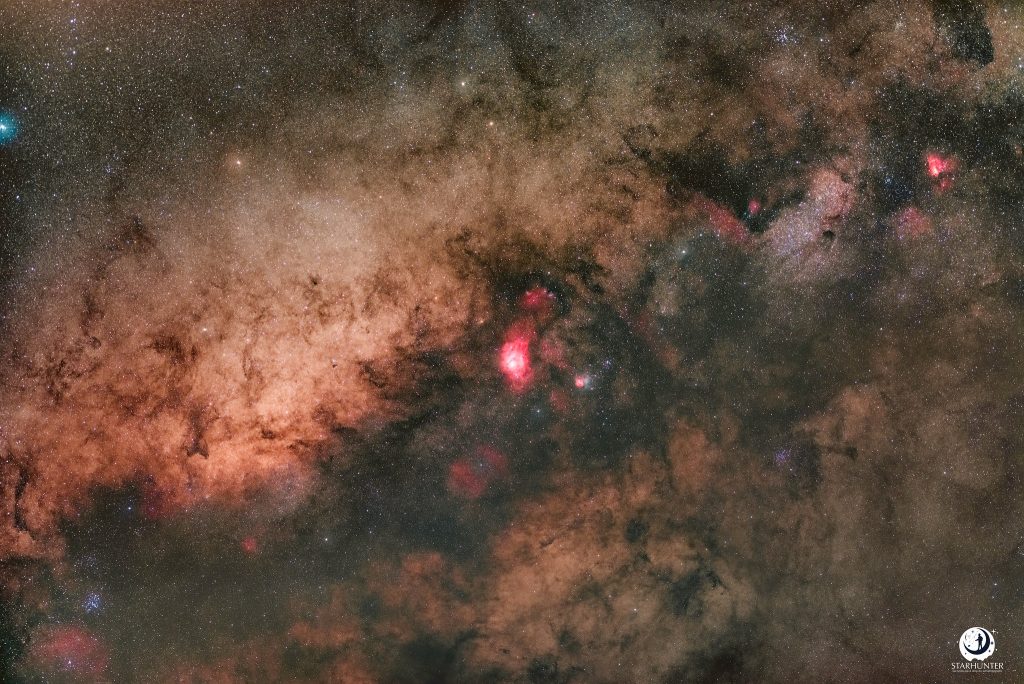
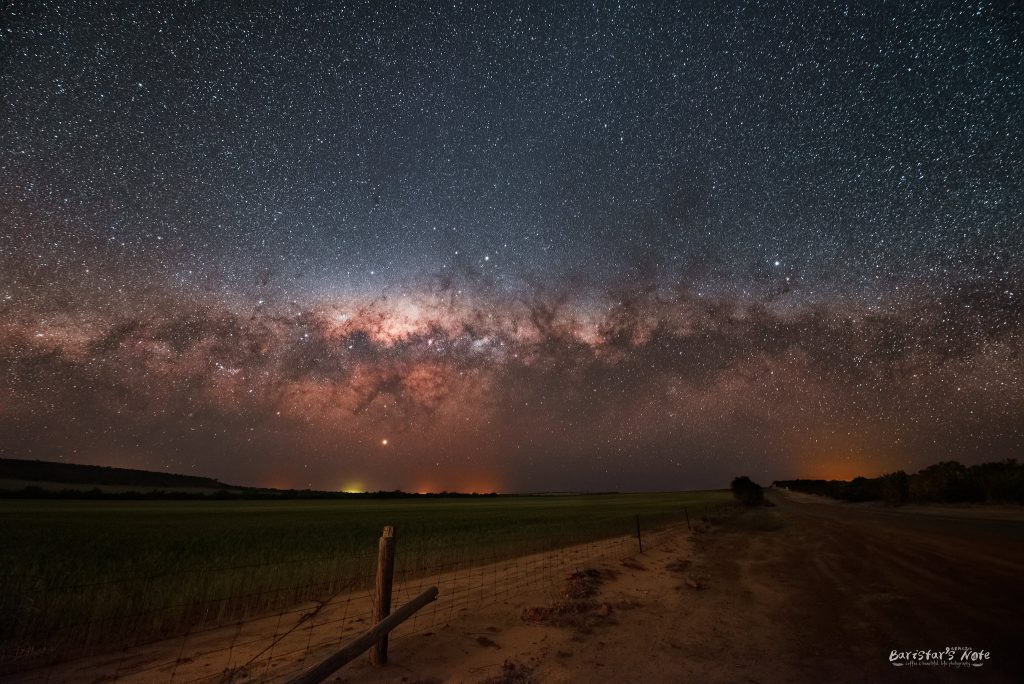
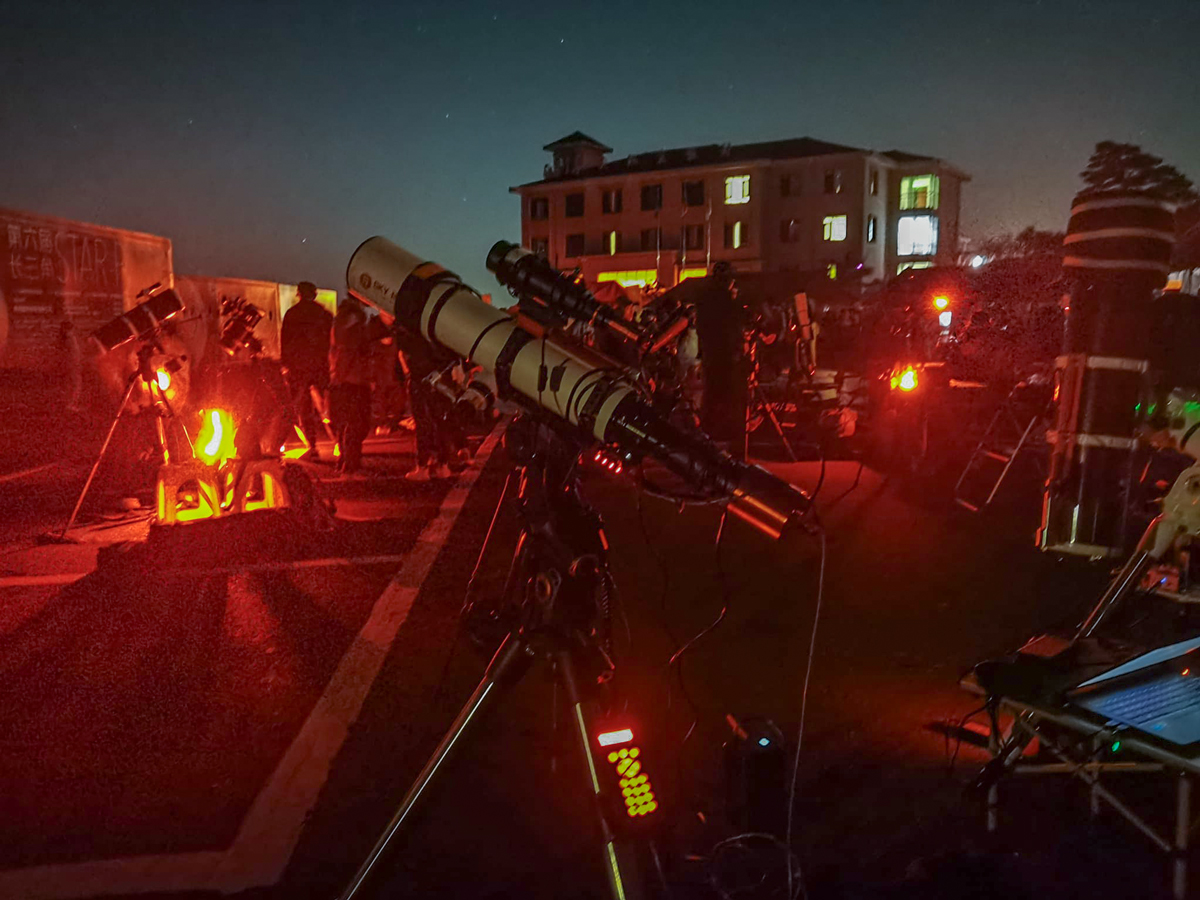
TELESCOPE WORKSHOP DESCRIPTION:
Want to explore the night sky through your own telescope? Our Starhunter Telescope Workshops in Kuala Lumpur are designed specifically for beginners, whether you have a telescope or not.If you’re thinking about buying your first telescope, our workshops are a great way to learn more and find out which type would be best for you.
Or, if your telescope has been gathering dust in the cupboard or tucked away under the bed, it’s time to bring it out! Let’s dust it off and finally show you how to use it. I get it – it’s probably been sitting there for a while.
You’ll learn how telescopes work, from the science of optics to what gives them their power, and get step-by-step guidance on setting one up like an expert.We’re here to help you unlock its full potential.
WHAT TO EXPECT AT YOUR TELESCOPE WORKSHOP:
Now’s the perfect time to dust off your telescope and learn how to use it properly, so you can fully enjoy the wonders of the night sky! Don’t have a telescope yet? No worries – you’re welcome to join too!
-
- Say goodbye to frustration and confusion once and for all.
- At our Starhunter Telescope Workshops, our friendly and experienced Starhunter astro-masters will guide you step-by-step through setting up and using your telescope in a relaxed, fun, and easy-going environment.
- Starhunter Alliance offers these workshops several times a year to help telescope owners get the most out of their equipment.
- You’ll also meet other passionate astronomy enthusiasts who are just starting out.
- With a few simple tips and tricks, you’ll be amazed at how quickly you’ll gain confidence and start exploring the stars!
WHO SHOULD ATTEND THIS WORKSHOP:
-
- Beginners with a passion for astronomy.
- Space and astronomy enthusiast.
- Someone who wants to buy a telescope.
- Someone who already owns the telescope.
FREQUENTLY ASKED QUESTIONS (FAQs) :
Faq 01. CAN I ATTEND IF I’M NOT A STARHUNTER MEMBER?
Yes! The Telescope Workshop is designed especially for anyone who has a telescope they’re learning to use. You don’t need to be a Starhunter member to attend – non-members are always welcome.
Friends and Hobbyist members enjoy free access to events as part of their membership.
Faq 02.WHERE ARE TELESCOPE WORKSHOPS HELD?
We’re a regular at the Starhunter Astronomical Collaboration Gateway, a comfortable and modern venue that offers easy access for setting up telescopes.
Faq 03.CAN I ATTEND IF I DON’T HAVE A TELESCOPE?
Yes! If you don’t have a telescope, you’re still very welcome to join the Telescope Workshop. It’s a fantastic opportunity to learn more about telescopes in general and find out which type might be best for you if you’re considering a purchase. You’ll also get to see various types of telescopes in action, interact with their owners, and chat with experts to help you make an informed decision.
Faq 04.DO I NEED A PRIVATE TELESCOPE LESSON INSTEAD?
Private Telescope Workshops are ideal for those who don’t have the time to attend a group class or need immediate assistance in learning how to use a telescope—especially if you’re planning a trip and want to be ready to use your telescope while on holiday.
A private lesson is also a great option for those with more complex telescopes, such as goto computerized equatorial mounts. These types of telescopes often require more in-depth guidance, and one class may not be enough to get you fully comfortable with them. Our Telescope Workshops will cover Equator Polar Alignment which is an important step in using equatorial mounts. You might prefer to have a private lesson instead where you can receive small group(1-5) learning lesson.
Faq 05.HOW EXPERIENCED IS YOUR TEAM?
All of our Starhunter Astro Master guides have extensive experience working with a wide variety of telescopes, including popular brands like ZWO, Celestron, Askar, Sky-Watcher, Skyrover, Sharpstar, William Optic, and more. They are well-versed in both alt-azimuth and equatorial (EQ) mounts and can offer in-depth guidance on telescope accessories such as finder scopes, filters, and dew control systems.What sets our team apart is not just our expertise, but our friendly and welcoming approach. Whether you’re just starting out in astronomy or looking to expand your knowledge, there’s no better place to begin your journey than with us.
Faq 05.WHAT IF IT’S CLOUDY OR RAINING?
All events will proceed as scheduled, regardless of weather conditions. While cloudy or rainy weather can sometimes occur, Starhunter Alliance works to adjust the event to maximize opportunities for outdoor activities. If the weather prevents us from being outside, we offer a variety of alternative indoor activities, demonstrations, and assistance, which will take place in a covered area or on a sheltered verandah, ensuring a great experience for all attendees.
TELESCOPE WORKSHOP DESCRIPTION:
In this section, you’ll cover the fundamentals of astronomy, such as:
- The structure of the universe (solar system, galaxies, nebulae, etc.)
- The motion of celestial objects (planetary orbits, stars, and galaxies)
- Key astronomical concepts like light years, stellar magnitudes, and the speed of light
- Understanding the night sky, constellations, and the rate of rotation
This topic focuses on the various types of telescopes used in amateur astronomy:
- Refracting Telescopes (Refractors): Use lenses to focus light.
- Reflecting Telescopes (Newtonian Reflectors): Use mirrors to gather and focus light.
- Catadioptric Telescopes (SCT Telescopes): Combine lenses and mirrors for improved performance.
Types of Mounts:
- Altazimuth Mounts: Move up and down (altitude) and left and right (azimuth).
- Equatorial Mounts: Align with Earth’s rotational axis, allowing easier tracking of celestial objects.
- German Equatorial Mounts: Variations designed for specific needs in astrophotography or ease of use.
Finder Scopes
Finder scopes are small, low-magnification telescopes mounted on the main telescope to help locate celestial objects. Topics might include:
Types of finder scopes (red dot, reflex, optical finders)
How to align your finder scope with the main telescope
Tips for locating objects in the night sky
Eyepieces and Magnification
Eyepieces are essential components that determine the magnification and field of view:
Focal Length and Magnification: The magnification is determined by the focal length of the telescope and the eyepiece.
Types of Eyepieces:
Plössl (common, affordable)
Orthoscopic (sharp, less field of view)
Wide-Angle (greater field of view)
Zoom Eyepieces (adjustable magnification)
Field of View: The portion of the sky visible through the eyepiece.
Module 3: Tools and Apps to Make Astronomy and Using Telescopes Easier
Technology plays a big role in modern astronomy:
- Star Chart Apps (e.g., Stellarium, SkySafari): Help you map out constellations and identify stars and planets.
- ZWO ASIAiR Control Apps: Sync telescopes with smartphones for automated tracking and object locating.
- Telescopius Astronomy Software: Tools for astrophotography, planetarium simulations, and star maps.
When Is The Next Starhunter Telescope Class?
SEE OUR FULL EVENTS CALENDAR